

Table of Contents
Instant Games and the Appeal of a Fast Session
Casino play used to feel like something that required a whole evening. There was a screen to set up, a game to learn, perhaps a deposit to think about twice. Instant games changed that rhythm for me. They are built around quick entry, direct rules, and rounds that can be finished before a kettle boils. I first noticed the appeal while browsing apreswin during a quiet break, mostly out of curiosity, and ended up testing a few rapid formats with a small budget.
What I liked was not just the speed. It was the sense that a session had a natural edge to it. A scratch-style game, a mini slot, or a quick card round does not ask for a big commitment. That can be useful when time is limited, although it also means decisions happen faster than expected. I have learned that “just one more” arrives much sooner in a two-minute game than in a long table session.
| Format | Typical pace | My first impression |
|---|---|---|
| Instant win games | Seconds per result | Very direct, almost too easy to repeat |
| Quick slots | Under a minute per spin | Familiar, visual, and easy to pause |
| Fast card rounds | One to three minutes | More engaging, but needed more attention |
Short Sessions Still Need a Little Structure
At first, I assumed short sessions were automatically safer because they were short. That is only partly true. A five-minute game can remain five minutes, but a series of five-minute games becomes half an hour without much ceremony. The helpful part is that fast formats make it easier to set a clear stopping point before starting.
My own simple routine is not complicated, and I do not follow it perfectly every time. Still, it prevents that vague feeling of chasing a result. Before opening anything, I usually decide on three small boundaries:
- a fixed amount I am comfortable losing,
- a rough number of rounds or a time limit,
- one point where I close the game, win or lose.
That last one matters most. Instant games can feel frictionless, and friction is sometimes useful. A short pause gives me time to remember that the outcome is random, not a puzzle I can solve by continuing.
Which Quick Formats Felt Most Natural
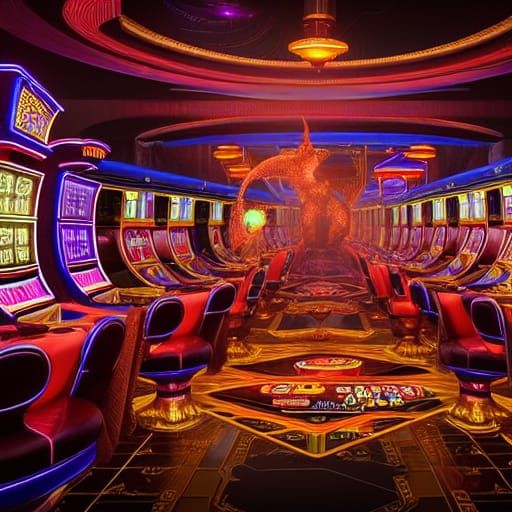
For me, quick slots are the easiest starting point because the interface is familiar. I can see the stake, the spin button, and the balance without digging through menus. Instant-win games feel even faster, but they are less involving. They are closer to revealing an answer than playing a game, which may be exactly what some people want.
Fast roulette or card variations have a different energy. There is a brief wait, then a result, then another decision. I found them more absorbing, so I treated them more carefully. The demo mode was useful here, especially when I wanted to understand the pace without immediately placing a bet. It took me a while to work out that speed is not the same thing as simplicity.
| Game type | Best suited to | A point to watch |
|---|---|---|
| Mini slots | A casual visual break | Autoplay can make time blur |
| Scratch and reveal games | Very short play windows | Results come rapidly, with little pause |
| Quick table games | Players who enjoy choices | Rounds can feel more intense |
My Small-Budget Method for Instant Play
The most practical lesson I picked up is that a small stake does not automatically mean a small session cost. A low bet repeated fifty times is still fifty bets. That sounds obvious when written down, yet it is surprisingly easy to overlook while bright animations and quick results are moving across the screen.
I now prefer to divide my budget into a few visible portions rather than viewing the entire amount as one flexible balance. On one rainy afternoon, I used a £10 limit, split into two short attempts, and stopped after the first portion disappeared. It was mildly frustrating, honestly, but later I was glad I had made the rule before playing. Quick formats work best for me when the limit is decided before the first round, not during the fifth.
| Session length | What I set beforehand | Why it helps |
|---|---|---|
| 5 minutes | A single small amount | Keeps the session genuinely brief |
| 10 to 15 minutes | A time alarm and stake cap | Creates a clear interruption |
| Longer than 15 minutes | A deliberate break first | Makes continuing a conscious choice |
FAQ
Are instant games better than longer casino games? I would not say better. They suit a different mood. I use them when I have limited time and want a contained experience, while longer games can be more enjoyable when I actually want to settle in and pay attention.
Can a short session still become expensive? Yes, it can. The fast pace is exactly why it helps to choose a stake and a spending limit first. The rounds may be short, but the money can move quickly if there is no pause between them.
What is the simplest way to keep instant play enjoyable? For me, it is treating it as entertainment with a fixed cost, not as a way to recover losses or produce a result. If the session stops feeling light, I close it. That is probably the clearest signal I have found.